

Just one more thing, an essay on troubleshooting
Over the weekend I watched — for the first time in my life — an episode of the long-running ABC and NBC police show Columbo, starring Peter Falk. I originally knew him from the film…
Over the weekend I watched — for the first time in my life — an episode of the long-running ABC and NBC police show Columbo, starring Peter Falk. I originally knew him from the film…

This is my ongoing series of answering T-SQL Tuesday posts far too late to be of any use. Click here if you want to read previous entries. Paul Randal asked us in November 2010 why…
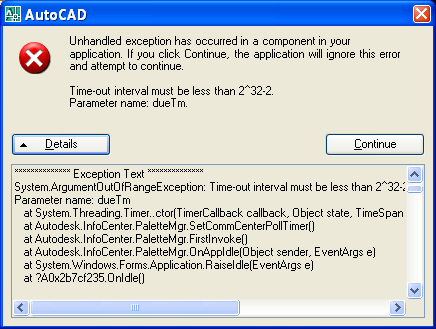
This post is brought to you — indirectly — from a boss I loved working for, on a project which almost killed me, at a company which I had to walk away from to restore…

Last time we looked at adding or subtracting date parts using the DATEADD() T-SQL system function. This week we see how to calculate the difference between two date-time values using DATEDIFF() and DATEDIFF_BIG(). The syntax…

We are now in the home stretch of the long-running series about dates and times in SQL Server and Azure SQL Database. This week we look at one of my favourite T-SQL functions when it…

Last time we looked at DATEPART(). This post is all about the DATENAME() function. So many similarities There are many similarities between DATEPART and DATENAME. Where DATEPART returns the date or time part as an…

In my previous posts in this series we’ve seen reference to Transact-SQL (T-SQL) functions that are used to get the specific part of a date and/or time (year, month, day, hour, minute, second, etc.). This…

Previously we looked at four built-in functions to get the current date and time in SQL Server and Azure SQL Database using Transact-SQL (T-SQL). We identified that out of the options provided, SYSUTCDATETIME() is the…
It occurred to me that we haven’t covered the TIMESTAMP data type in this series about dates and times. TIMESTAMP is the Windows Millennium Edition of data types. It has nothing to do with date…

We have come on quite a journey so far. SQL Server and Azure SQL Database provide date and time data types to help you design the best possible database. You can read more about that…

Last time, we began an in-depth look at how time is measured. This post continues our journey. If any of you are students of Albert Einstein and his theory of relativity, this might seem familiar.…

Now that we have covered the various date and time data types (see the post from last time) in SQL Server and Azure SQL Database, it’s time to review what we know about time itself…

This post continues our look at date and time data types in SQL Server. SQL Server 2008 introduced new data types to handle dates and times in a more intelligent way than the DATETIME and SMALLDATETIME…

This post continues our look at date and time data types in SQL Server. SQL Server 2008 introduced new data types to handle dates and times in a more intelligent way than the DATETIME and SMALLDATETIME…

This post continues our look at date and time data types in SQL Server. SQL Server 2008 introduced new data types to handle dates and times in a more intelligent way than the DATETIME and SMALLDATETIME…